

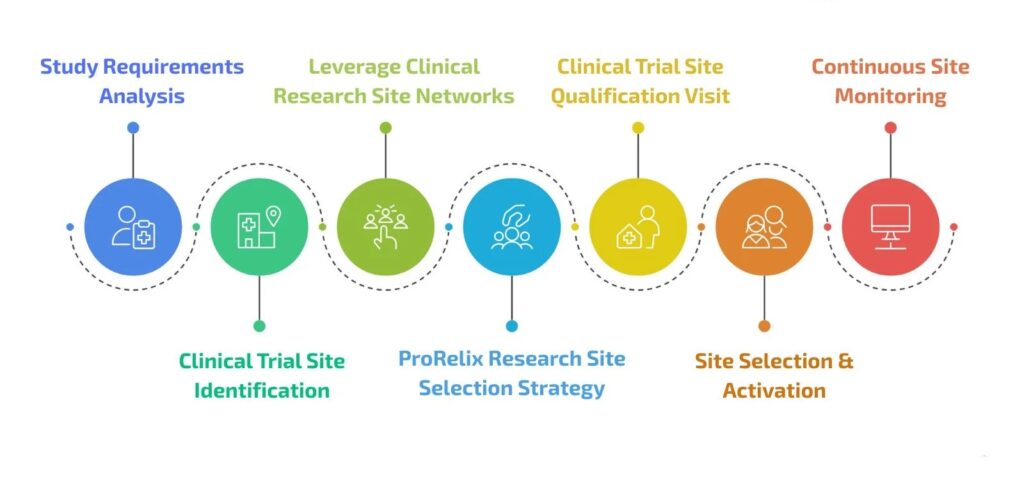
Clinical Trial Site Feasibility Assessment Workflow in India – A Complete Sponsor Guide
By Govind Pawar, Senior Clinical Operations Leader, Oxygen Clinical Research and Services 1. Introduction Clinicaltrial Feasibility Workflow India. Over the past decade, India has moved from a peripheral recruitment hub to a core contributor in global Phase II‑IV trials. The shift is not because of incentives alone; it is the result of a mature regulatory framework, a growing pool of qualified investigators, and an expanding network of capable sites. However, the speed and predictability of a study still hinge on a single, often under‑estimated activity: site feasibility assessment. In my 15 years of executing trials for Indian and global sponsors, I have seen sponsors either rush through feasibility and later confront protocol deviations, or spend months on exhaustive questionnaires only to lose the best sites to competing studies. The balance lies in a structured, data‑driven workflow that respects the Indian operational context while delivering the speed, compliance, and data quality sponsors demand. The following guide walks a sponsor through the end‑to‑end feasibility workflow as practiced by Oxygen Clinical Research and Services and leading CROs in India. It is grounded in field observations, includes practical tables and checklists, and highlights the trade‑offs that rarely appear in vendor brochures. 2. Why Feasibility Is the First Gatekeeper Aspect Typical Sponsor Expectation Indian Reality (Observed) Impact of Mismatch Patient pool size Census‑based estimates from epidemiology reports Regional disease clustering, referral patterns, and socio‑economic barriers affect enrolment Over‑recruitment targets, delayed timelines Investigator experience Number of published papers or past trial count Hands‑on GCP training, site staff turnover, and local ethics committee (EC) timelines matter more Protocol non‑compliance, protocol amendment requests Infrastructure Presence of a CTMS or electronic data capture (EDC) system Variable EMR integration, intermittent power, and internet bandwidth Data entry lag, increased monitoring effort Regulatory turnaround 30‑day EC approval quoted by many sites EC meeting frequency (monthly vs quarterly), state‑level approvals, and CDSCO review for certain INDs Unforeseen delays of 2‑4 weeks or more Budget compliance Fixed per‑patient cost Local taxes, GST, site‑specific overheads, and compensation norms for patients and staff Budget overruns, contract renegotiations The table underscores that feasibility is not a checklist exercise; each element interacts with the others. A robust workflow captures these interactions early, allowing sponsors to make informed trade‑offs between speed, cost, and data integrity. 3. Indian Regulatory and Operational Context Understanding these layers is essential when designing the feasibility questionnaire and when interpreting site responses. 4. Step‑by‑Step Feasibility Workflow Below is the workflow that Oxygen Clinical Research and Services follows for every new protocol. The steps are sequential but iterative; a failure at any point triggers a “go‑back” to the previous stage with a documented rationale. 4.1. Protocol Intake & Feasibility Scope Definition Action Owner Output Review protocol synopsis, inclusion/exclusion criteria, and primary endpoints Sponsor Clinical Lead Feasibility Scope Document (FSD) Identify therapeutic area experts within India CRO Medical Lead List of target investigator specialties Set target enrolment per site, timeline, and budget envelope Sponsor Finance & Operations Feasibility Parameters Sheet 4.2. Site Database Enrichment Data Source Frequency of Refresh Typical Lag Internal CRO site master Quarterly ≤ 30 days ICMR clinical trial registry Monthly ≤ 15 days State health department enrollment reports Bi‑annual ≤ 90 days Private hospital patient‑level EMR analytics Real‑time (if API available) Near‑real time Enrich the master list with the latest patient census, investigator turnover, and recent EC meeting minutes. 4.3. Preliminary Screening (Desk Review) Sites scoring < 3 on any critical element are either excluded or sent for targeted clarification. 4.4. Structured Feasibility Questionnaire Section Sample Question Rationale Patient Availability “Average number of new diagnosed patients per month for disease X in the last 12 months?” Quantifies realistic pool Investigator Commitment “Will the PI be available for ≥ 75 % of monitoring visits?” Predicts monitoring effort Regulatory Timeline “When is the next scheduled EC meeting?” Estimates approval date Site Staff Turnover “Number of CRA replacements in the past 12 months?” Anticipates operational continuity Compensation & Tax “What is the GST rate applied to sponsor payments?” Budget alignment Distribute the questionnaire electronically, allowing sites to upload supporting documents (e.g., patient logs, EC minutes). 4.5. Data Verification & Site Visit During the audit, capture process friction points (e.g., inconsistent SOPs for sample handling) and log them in the Feasibility Audit Report. 4.6. Feasibility Scoring & Decision Matrix Score Range Decision 85‑100 Proceed to Site Initiation (SI) 70‑84 Conditional – require corrective actions (e.g., additional training) < 70 Reject or place on “future watch” list The scoring algorithm weighs patient pool (40 %), investigator experience (20 %), infrastructure (20 %), regulatory timeline (10 %), and budget compliance (10 %). Adjust weights for therapeutic area specifics (e.g., oncology may give patient pool 50 %). 4.7. Feasibility Report & Sponsor Sign‑off The final deliverable includes: Sponsor sign‑off triggers the Site Initiation Pack (SIP) preparation. 5. Practical Checklists 5.1. Feasibility Questionnaire Checklist 5.2. On‑Site Audit Checklist 6. Challenges & Mitigation Strategies Challenge Why It Occurs Mitigation Inconsistent EC timelines ECs meet quarterly; some require quorum of external members Build a 2‑week buffer in the feasibility timeline; maintain a pre‑approved EC template to accelerate review Patient migration to private hospitals Public hospitals lose high‑income patients to private centers Include private‑hospital sites in the same region; negotiate data‑sharing agreements High staff turnover Competitive market for clinical research coordinators (CRCs) Offer site‑level training contracts (e.g., 12‑month CRC retention agreement) and performance‑based incentives GST impact on site payments Mis‑understanding of tax invoicing leads to delayed payments Provide a standard GST‑compliant invoice template; clarify that the sponsor’s budget includes GST Data protection compliance New Personal Data Protection Bill requires consent logs Integrate consent‑tracking module in EDC; conduct a site‑level data‑privacy audit before SI 7. Myths vs. Reality Myth Reality “A site that has enrolled > 200 patients in the last year will automatically meet our enrolment target.” Prior enrolment does not guarantee eligibility for the new protocol’s specific inclusion criteria. “If the PI has published extensively, the site will deliver high‑quality data.” Publication record does not reflect day‑to‑day GCP compliance; on‑site SOP adherence is a better predictor. “All Indian ECs process submissions within 30 days.” Many ECs operate on a monthly schedule; some require supplementary documents, extending
