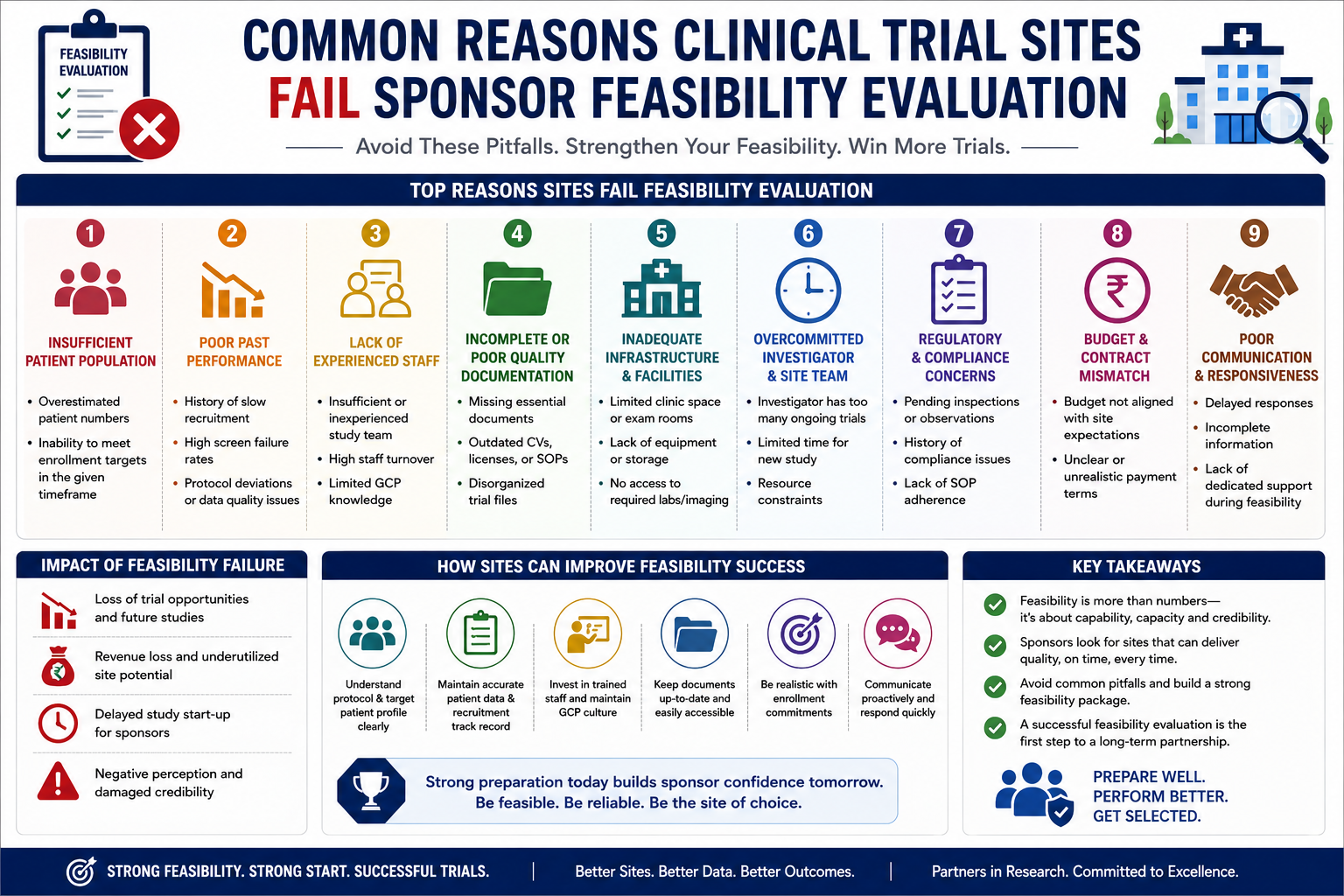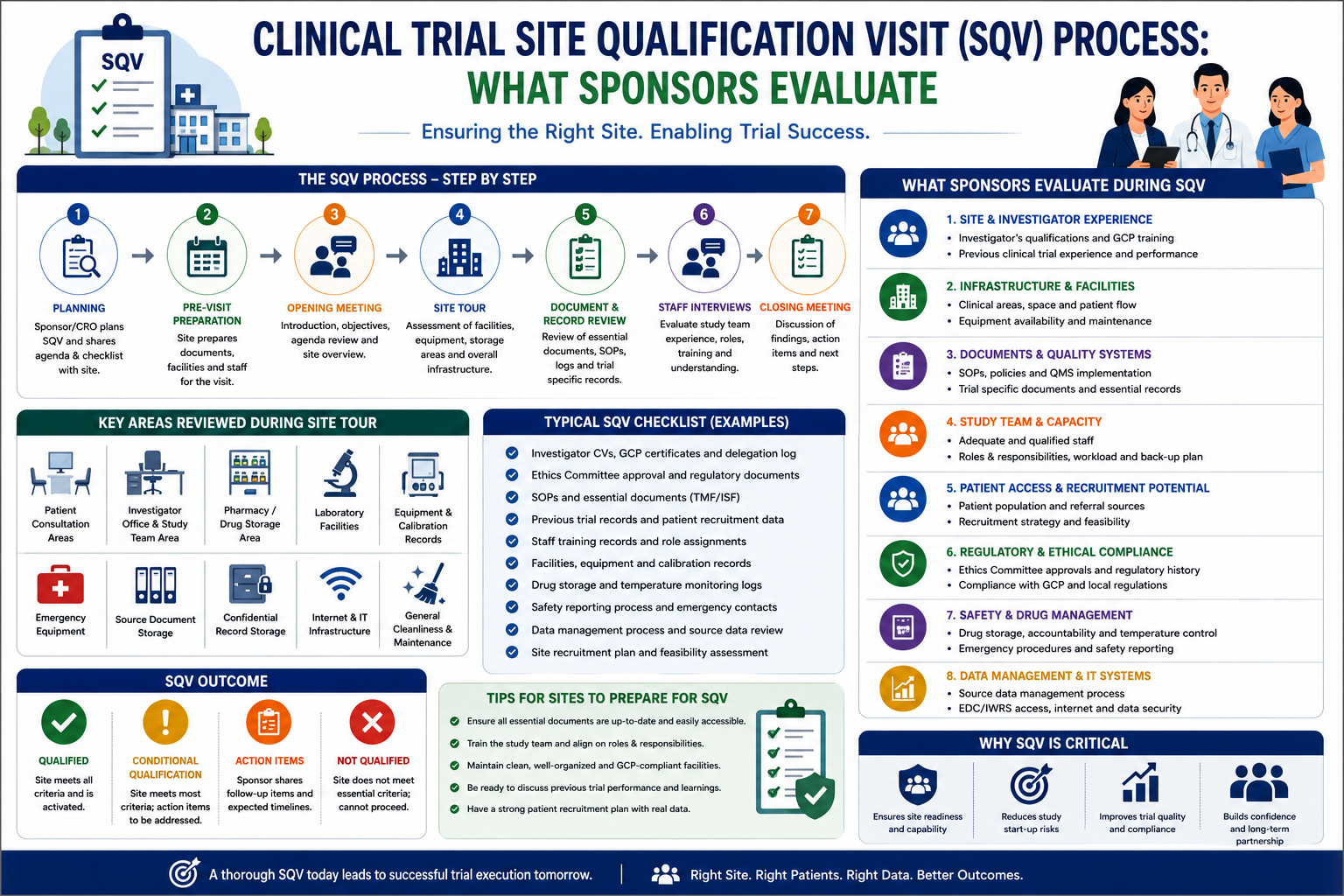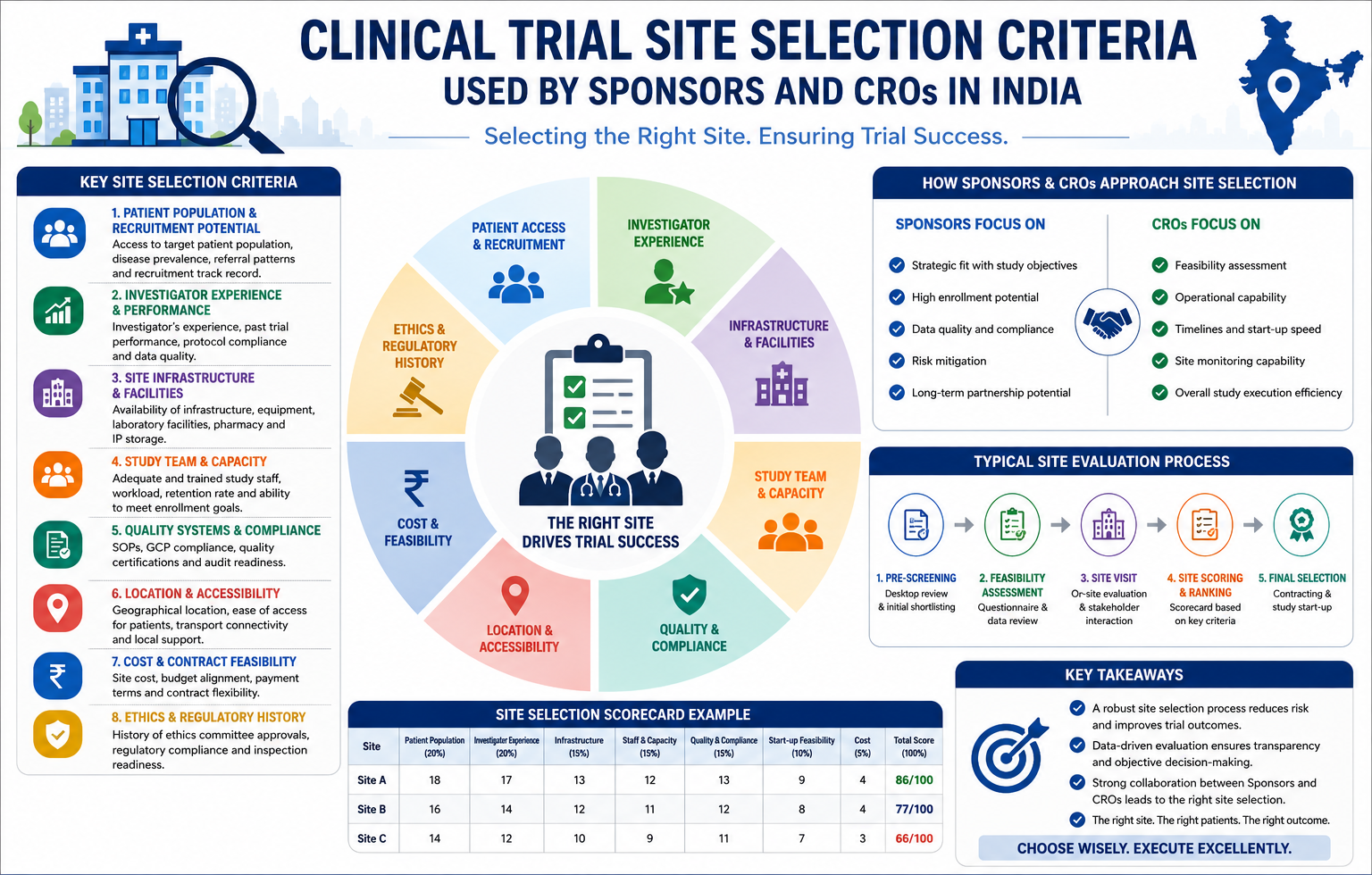
The world of medical research can feel like navigating a complex labyrinth, especially when it comes to clinical trials. Understanding the different phases is crucial, whether you’re a patient considering participation, a healthcare professional seeking to stay informed, or simply curious about the process. At Oxygen Clinical Research and Services, we specialize in site management, particularly excelling in Phase II and III clinical trials. We’re here to demystify these crucial stages, providing clarity and insight into how they shape the future of medicine.
Let’s embark on this journey together!
Phases of Clinical Trials: A Detailed Exploration of Their Importance
Clinical trials are the backbone of medical advancement, providing the evidence necessary to determine if a new treatment, like a drug or device, is safe and effective. These trials are conducted in a series of phases, each with a specific purpose. Understanding these phases is essential to grasping the overall research process.
- Phase I: Safety First. This initial phase primarily focuses on safety. A small group of healthy volunteers (typically 20-80) receives the treatment. Researchers are looking to identify potential side effects and determine a safe dosage range. Think of it as laying the foundation – crucial, but only the first step.
- Phase II: Efficacy Takes Center Stage. Once safety is established, Phase II steps in. This phase involves a larger group of participants (typically 100-300) who have the condition the treatment is designed to address. The focus shifts to evaluating the treatment’s effectiveness in treating the disease, while continuing to monitor safety. This is where researchers begin to see if the treatment truly works.
- Phase III: Confirmation and Comparison. Phase III trials are significantly larger, involving hundreds or even thousands of participants. The goal is to confirm the treatment’s effectiveness, monitor side effects, compare it to commonly used treatments, and collect information that will allow the treatment to be used safely. This phase often involves multiple research centers across the country or even the world.
- Phase IV: Post-Marketing Surveillance. After a treatment is approved by regulatory authorities like the FDA, Phase IV trials (also known as post-marketing surveillance) continue to monitor its long-term effects and identify any rare or unexpected side effects in a larger population.
Real-World Examples: How Each Phase of a Clinical Trial Differs
Imagine a new drug being developed to treat hypertension (high blood pressure).
- Phase I: A small group of healthy volunteers receives the new drug to determine the safe dosage and identify potential side effects like headache or dizziness.
- Phase II: A few hundred people with hypertension receive the drug. Researchers monitor their blood pressure levels and watch for both beneficial effects and any adverse reactions. They are looking to see if the drug actually lowers blood pressure.
- Phase III: Thousands of individuals with hypertension participate in a large, multi-center trial. Some receive the new drug, while others receive a placebo or an existing treatment. Researchers compare the effectiveness of the new drug to existing therapies, looking for statistically significant improvements in blood pressure control and monitoring for long-term side effects.
- Phase IV: After the drug is approved and available to the public, doctors and patients report any unusual side effects or interactions. This ongoing monitoring helps to further refine our understanding of the drug’s safety profile.
This example highlights how each phase builds upon the previous one, systematically evaluating the safety and efficacy of a new treatment.
Oxygen Clinical Research and Services: Expertise in Phase II/III Trials
At Oxygen Clinical Research and Services, our primary focus lies in site management for Phase II and III clinical trials. We bring a wealth of experience and a dedicated team to ensure the smooth and efficient execution of these complex studies. We understand the nuances of these phases, from patient recruitment and data collection to regulatory compliance and quality assurance.
What sets us apart?
- Deep Understanding of Protocol: We invest considerable time in comprehending the intricacies of each study protocol, ensuring meticulous adherence and data integrity.
- Patient-Centric Approach: We prioritize the well-being and experience of clinical trial participants, fostering a supportive and informative environment.
- Efficient Project Management: We employ proven project management methodologies to keep trials on track and within budget.
- Strong Relationships with Sponsors: We cultivate collaborative partnerships with pharmaceutical companies and other sponsors, facilitating seamless communication and efficient operations.
A Closer Look: Distinguishing Phase II from Phase III
To further clarify the difference, let’s consider a table summarizing the key distinctions:
| Feature | Phase II | Phase III |
| Primary Goal | Evaluate efficacy and determine optimal dosage. | Confirm efficacy, monitor side effects, compare to standard treatments. |
| Sample Size | 100-300 patients | Hundreds to thousands of patients |
| Patient Population | Patients with the target condition. | Patients with the target condition. |
| Study Design | Often involves dose-ranging and early efficacy data. | Typically randomized, controlled trials (RCTs). |
| Duration | Relatively shorter than Phase III. | Longer duration to assess long-term effects. |
| Outcome Measures | Primarily efficacy and safety. | Efficacy, safety, and impact on overall health outcomes. |
As seen in the table, Phase II is more exploratory, focusing on refining the treatment and understanding its potential benefits. Phase III is about confirming those benefits in a much larger and more diverse patient population.
“Research is to see what everybody else has seen, and to think what nobody else has thought.” – Albert Szent-Gyorgyi
Why Clinical Trials Matter
Clinical trials are more than just numbers and data; they are about hope, progress, and ultimately, improving lives. Every participant in a clinical trial is contributing to something bigger than themselves – the advancement of medical knowledge and the development of new treatments that can alleviate suffering and save lives.
Imagine the impact of a successful clinical trial leading to a breakthrough treatment for Alzheimer’s disease or a new therapy that significantly improves the quality of life for cancer patients. This is the power of clinical research, and it’s what drives us at Oxygen Clinical Research and Services to excel in our work.
Tips for clinical trial Participants (Subjects):
If you’re considering participating in a clinical trial, here are a few things to keep in mind:
- Talk to your doctor: Discuss your options with your healthcare provider to determine if a clinical trial is right for you.
- Research the trial: Understand the purpose of the trial, the potential risks and benefits, and what will be expected of you as a participant.
- Ask questions: Don’t hesitate to ask the research team any questions you have. It’s crucial to be fully informed before making a decision.
- Read and understand the informed consent document: This document outlines the details of the trial and your rights as a participant.
- Know your rights: You have the right to withdraw from a clinical trial at any time, without penalty.
FAQs about Phase II and III Clinical Trials
- Q: What is the difference between a single-blind and a double-blind study?
- A: In a single-blind study, the participants don’t know which treatment they are receiving (the active treatment or a placebo). In a double-blind study, neither the participants nor the researchers know who is receiving which treatment. This helps to minimize bias.
- Q: How long do Phase II and III clinical trials typically last?
- A: The duration can vary widely, depending on the specific treatment and the condition being studied. Phase II trials may last several months to a couple of years, while Phase III trials can last several years.
- Q: What are the potential risks of participating in a clinical trial?
- A: Potential risks can include side effects from the treatment, the possibility that the treatment may not be effective, and the time commitment required for participation. However, clinical trials are carefully monitored to minimize risks.
- Q: How can I find clinical trials to participate in?
- A: You can search online databases like ClinicalTrials.gov, talk to your doctor, or contact research centers directly.
Moving Forward: The Future of Clinical Research
As medical science continues to advance, clinical trials will remain essential for translating discoveries into effective treatments. At Oxygen Clinical Research and Services, we are committed to playing a vital role in this process, ensuring that new therapies are rigorously evaluated and brought to market safely and efficiently.
Key Takeaways:
- Clinical trials are conducted in phases (I-IV), each with a specific purpose.
- Phase II trials focus on evaluating efficacy and determining the optimal dosage.
- Phase III trials confirm efficacy, monitor side effects, and compare the new treatment to existing therapies.
- Oxygen Clinical Research and Services specializes in site management for Phase II and III clinical trials.
- Participation in clinical trials is a way to contribute to the advancement of medical knowledge and the development of new treatments.
We hope this guide has provided you with a clearer understanding of Phase II and III clinical trials. Remember, knowledge is power, and informed decisions are the best decisions.