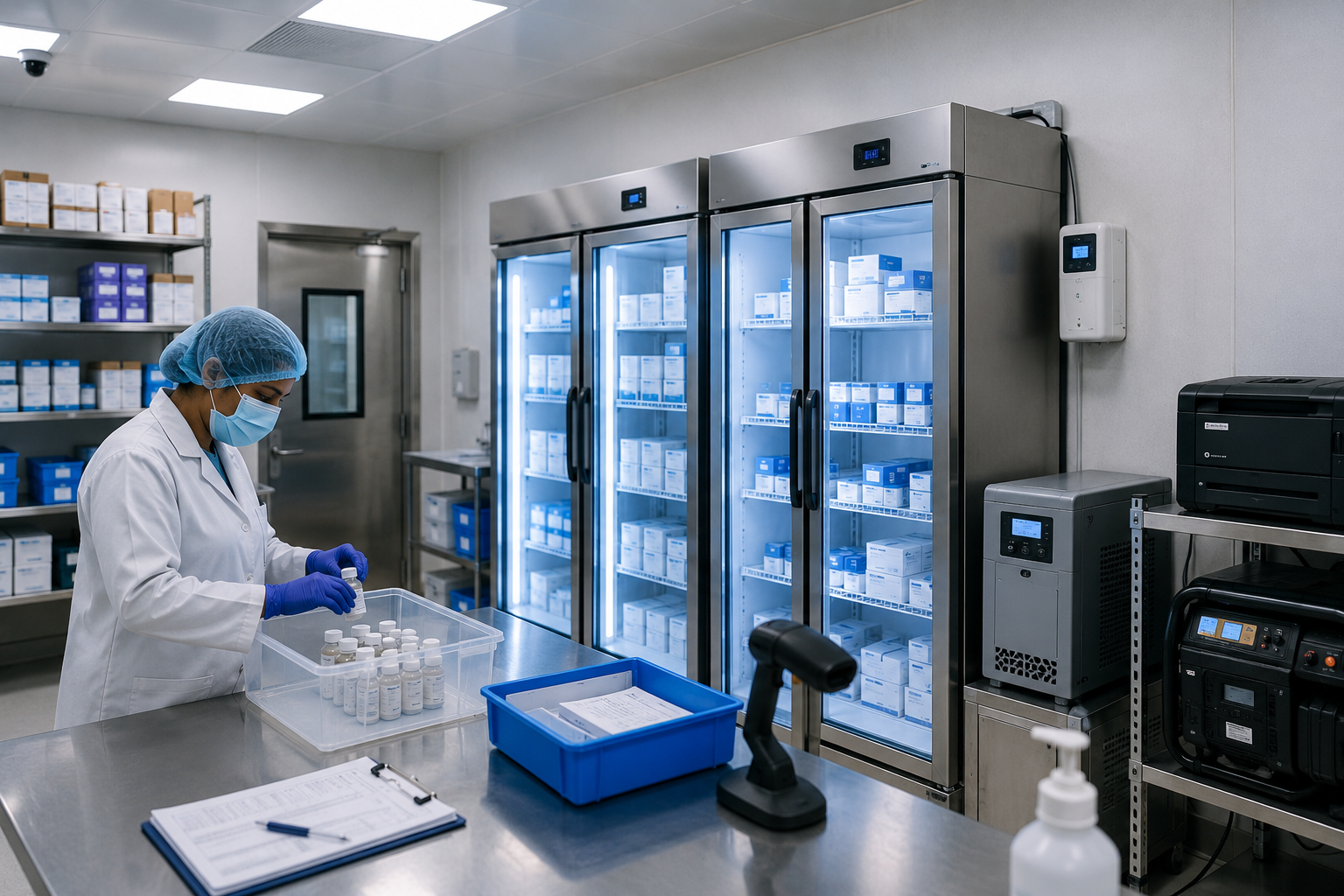
I have seen Phase III global trials grind to a halt because a site pharmacy had a single-point failure in its power backup system. In addition, some sites stored temperature-sensitive biologics in household refrigerators. As a result, these practices created significant risks to product stability and trial continuity. Furthermore, such failures often triggered costly delays and compliance concerns. Consequently, sponsors had to implement corrective actions before resuming trial activities. Moreover, regulators may scrutinize these incidents during inspections. Therefore, sites should invest in validated storage systems and reliable backup infrastructure. Ultimately, strong pharmacy controls help protect product integrity, patient safety, and study continuity. Ultimately, robust pharmacy infrastructure plays a critical role in successful clinical trial execution (Clinical Trial Pharmacy Setup)
These aren’t just technical glitches; they are regulatory red flags that lead to rejected data and stopped enrollment. In India’s clinical landscape, the pharmacy is often the most overlooked part of site feasibility. Sponsors often focus on patient recruitment. However, they sometimes overlook the fact that a compromised Investigational Product (IP) can invalidate the entire patient data set for a site. As a result, product integrity remains just as important as recruitment performance. Furthermore, poor pharmacy controls can create significant compliance and regulatory risks. In addition, inadequate storage and monitoring practices may increase the likelihood of temperature excursions. Consequently, sponsors may face delays, additional investigations, and increased costs. Therefore, sites must prioritize robust pharmacy management throughout the study. Ultimately, strong IP controls help protect data quality, patient safety, and regulatory complian (Clinical Trial Pharmacy Setup)
Therefore, setting up a compliant pharmacy requires far more than a locked cupboard. In addition, sites must implement proper temperature monitoring, access controls, backup power systems, and accountability procedures. Furthermore, staff should follow documented procedures for Investigational Product (IP) handling and storage. Consequently, sites can reduce the risk of temperature excursions and compliance failures. Moreover, robust pharmacy controls support accurate product accountability throughout the study. Ultimately, strong pharmacy infrastructure helps protect both product quality and study integrity. It requires an understanding of the New Drugs and Clinical Trials Rules (2019), specific CDSCO expectations, and the practical realities of India’s erratic power grid and humidity levels. (Clinical Trial Pharmacy Setup)
Executive Summary: The Sponsor’s Perspective on Pharmacy Readiness
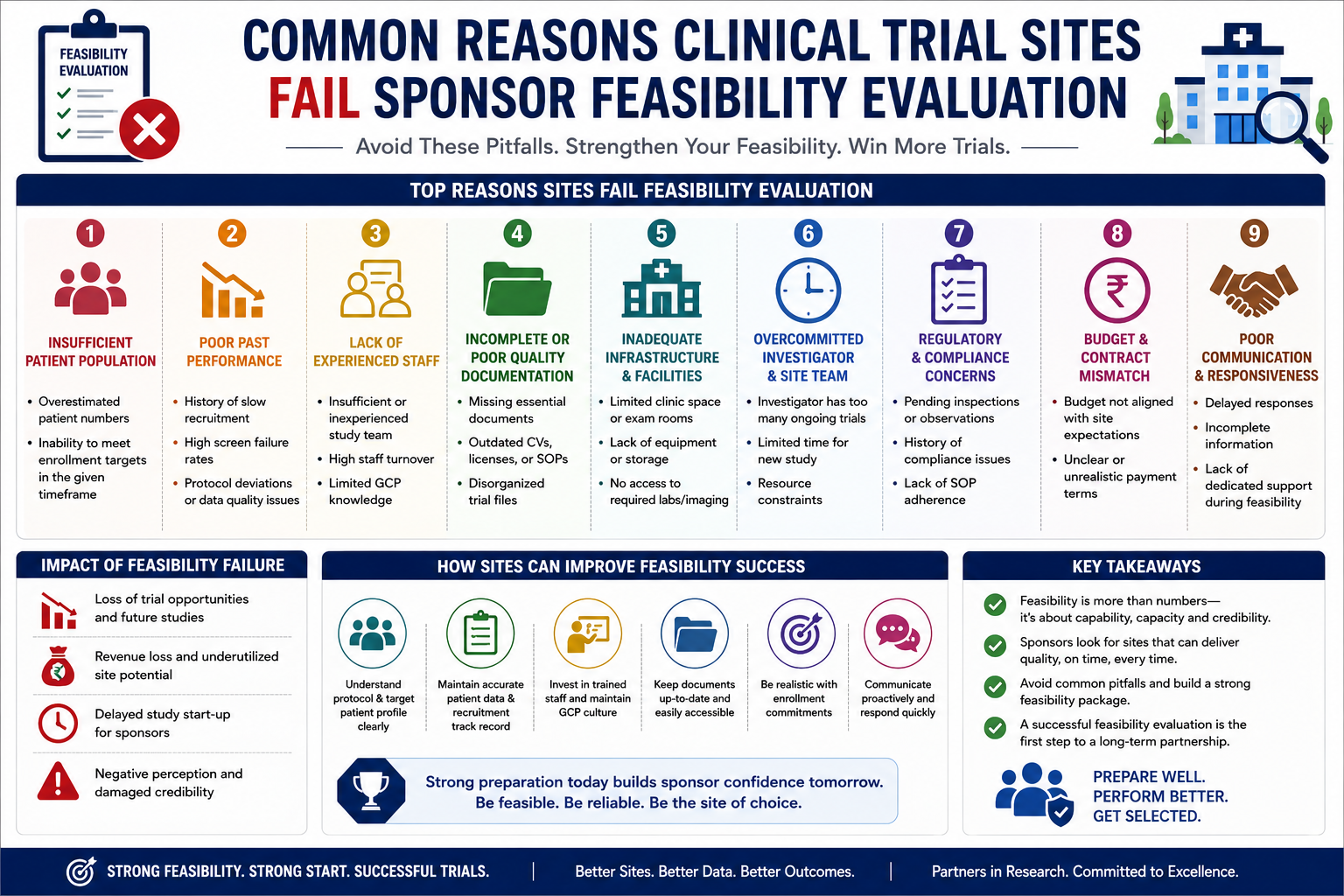
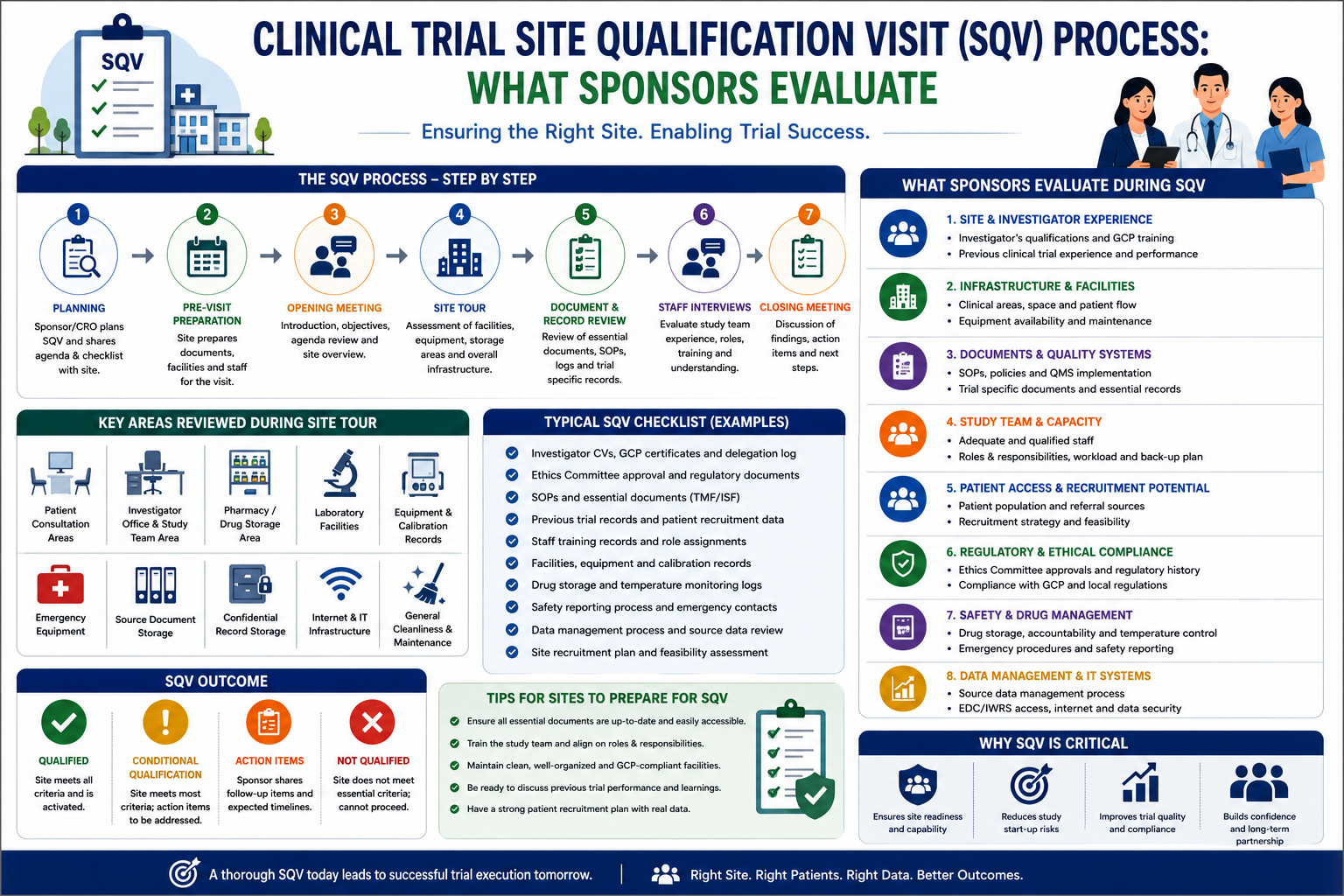
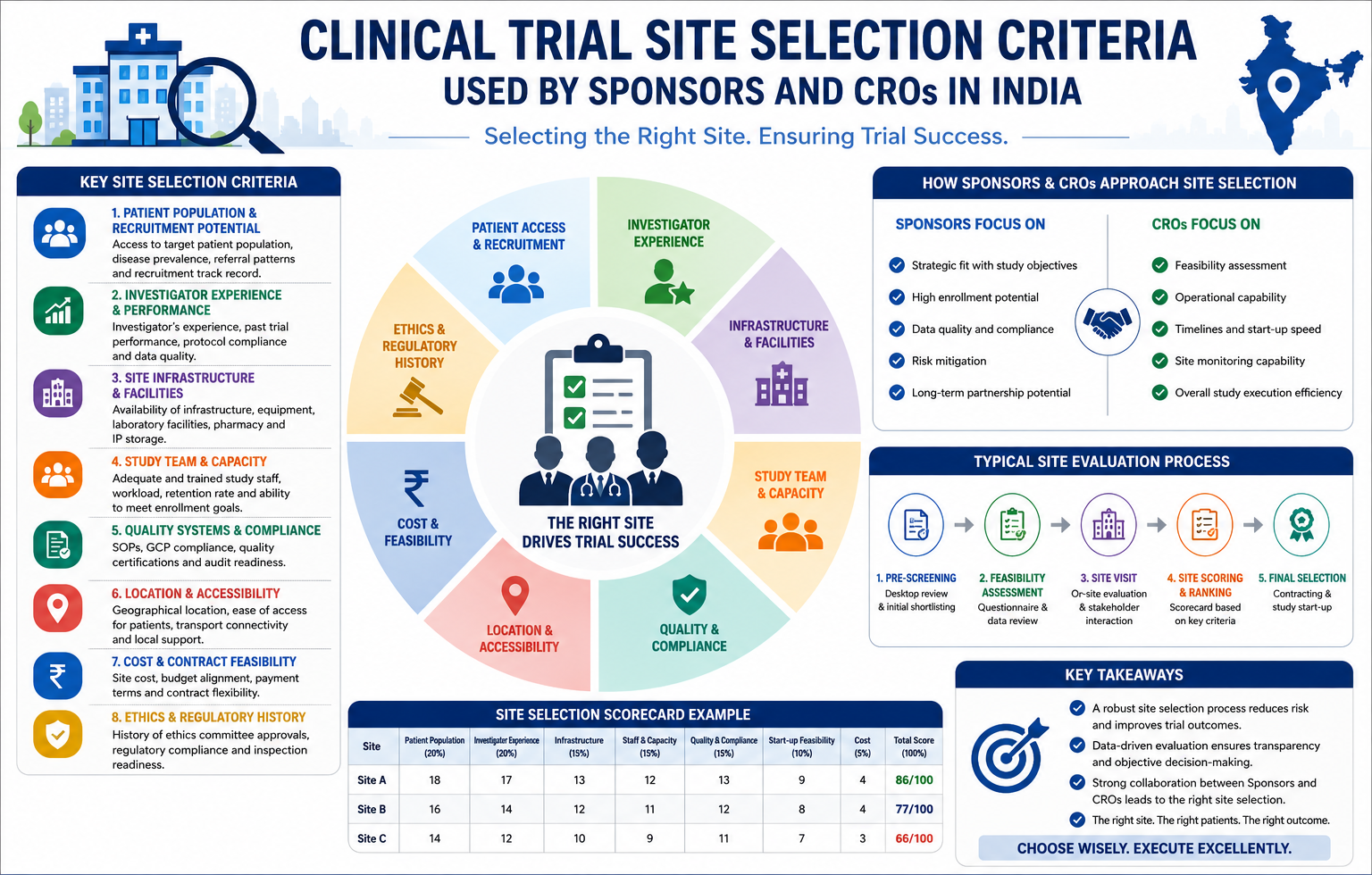
For a Sponsor or CRO, a pharmacy’s readiness is a direct indicator of study risk. High-quality site selection involves looking past the hospital’s name and looking into the IP storage logs. If a site cannot demonstrate 24/7 temperature monitoring for the previous six months, sponsors should not entrust it with a temperature-sensitive molecule. Consequently, the risk of product excursions and compliance failures increases significantly. Furthermore, inadequate monitoring can undermine product integrity and data reliability. Therefore, sponsors must verify temperature records during site qualification and routine monitoring visits. In addition, they should review excursion reports and corrective actions carefully. Moreover, consistent monitoring helps identify potential issues before they affect product quality. As a result, sites can maintain stronger compliance and operational control. Ultimately, consistent temperature control is essential for protecting both the Investigational Product (IP) and study outcomes.
Pharmacy Standards Comparison: Minimal vs. High-Authority Execution
| Sr. No. | Pharmacy Feature | Basic Local Standard | GCP/Global Standard | Regulatory Risk | Audit Impact | Timeline Delay | Cost Impact | Data Integrity | Site Feasibility |
| 1 | Temp Monitoring | Manual logs 2x daily | Continuous digital logging | High (Excursions) | Critical Finding | 2-4 Months | High resupply | Low | Fail |
| 2 | Access Control | Shared key box | Restricted biometric/tag | Medium (IP Theft) | Major Finding | 1-2 Months | IP Loss | Questionable | Borderline |
| 3 | Power Redundancy | Building UPS | Dedicated Dual UPS + DG | High (Spoilage) | Systemic Failure | 3-6 Months | Total loss | Zero | Fail |
| 4 | IP Accountability | Paper-only logbooks | Real-time E-accountability | Medium (Mismatches) | Minor/Major | 1 Month | Reconciliation | Low | Pass |
| 5 | Staff Training | General Pharmacist | GCP-Trained Research Pharm | High (Protocol Deviations) | Regulatory Query | Ongoing | Error-prone | Variable | Pass |
CDSCO Approval Process and Infrastructure Breakdown
The Indian regulatory framework, particularly the New Drugs and Clinical Trials Rules, 2019, requires sites to store Investigational Products according to the manufacturer’s specifications. However, meeting these requirements can be challenging in a tropical climate. For example, maintaining storage temperatures of -20°C or -70°C requires specialized equipment and reliable infrastructure. As a result, sites must invest in validated storage systems and continuous temperature monitoring. Furthermore, they should implement robust backup power arrangements to prevent temperature excursions. Consequently, sponsors often evaluate storage capabilities carefully during site qualification. Ultimately, proper storage controls help protect product integrity, regulatory compliance, and study outcomes.
Where Delays Happen
Most delays occur during the site initiation phase. For example, a CRO may identify a suitable site, but the pharmacy may not be operationally ready. As a result, the site may spend several weeks procuring a medical-grade refrigerator or upgrading its power stabilization systems. Furthermore, these delays can postpone site activation and patient enrollment. Consequently, sponsors may face extended startup timelines and increased operational costs. Therefore, sponsors should evaluate pharmacy readiness during the feasibility stage rather than after site selection. Ultimately, proactive planning helps accelerate trial startup and reduce avoidable delays. These eight weeks are lost forever in the recruitment cycle.
Another common bottleneck involves the Ethics Committee (EC) review of the pharmacy’s Standard Operating Procedures (SOPs). For example, the EC may identify gaps in critical procedures during its assessment. If the SOPs do not clearly define the Chain of Custody or Destruction Protocol, the EC may withhold approval.
As a result, the site may experience significant startup delays. Furthermore, delayed approvals can postpone the first-patient-in (FPI) milestone and affect overall study timelines. Consequently, sponsors and sites should review SOPs thoroughly before EC submission. In addition, they should identify and address potential gaps before the review process begins. Moreover, well-prepared SOPs can accelerate approvals and reduce regulatory queries. Therefore, proactive document review plays a critical role in efficient study startup. Likewise, clear responsibilities help teams avoid unnecessary delays. As a result, sites can improve operational readiness. Ultimately, strong SOP management helps support timely approvals and smoother trial execution. Ultimately, clear and comprehensive SOPs help accelerate approvals and support regulatory compliance.
Real Operational Insights: What Works vs. What Fails
In my experience, “compliance on paper” often fails in the field. A site might have a digital thermometer. However, the site must calibrate it through a NABL-accredited laboratory at least once every 12 months. Otherwise, inspectors may consider the data invalid during a CDSCO inspection. Consequently, the site may face significant compliance and regulatory risks.
What works is a redundant system. This means the site should maintain a primary storage unit, a secondary backup unit on a separate power circuit, and a validated process for transferring Investigational Products (IP) if the primary unit fails. However, many sites still rely on the hospital’s general maintenance team to resolve equipment failures. As a result, valuable time may be lost during a critical temperature excursion. Furthermore, maintenance personnel may not arrive before the IP exceeds acceptable storage limits. Consequently, the product may remain at room temperature for several hours, triggering a major excursion report. Therefore, sites should implement proactive contingency plans rather than reactive maintenance approaches. Ultimately, robust backup systems help protect product integrity, regulatory compliance, and study continuity (Clinical Trial Pharmacy Setup).
Technical Infrastructure Requirements for Compliance
| Sr. No. | Component | Requirement Detail | Why it Matters | CDSCO/GCP View | Failure Scenario | Audit Risk | Cost of Fix | Lead Time | Impact on ROI |
| 1 | Loggers | External probes with alarms | Accurate core temp | Mandatory | Missed excursion | Critical | $$$ | 2 Weeks | Negative |
| 2 | Space | Minimum 100-150 sq ft | Segregation of IP | 2019 Rules | Cross-contamination | Major | $$$$ | 4 Weeks | Moderate |
| 3 | Calibration | NABL Accredited | Legal validity | Mandatory | Data rejection | Critical | $ | 1 Week | High |
| 4 | Shelving | Non-reactive (SS 304) | Stability | Best Practice | Rust/Reaction | Minor | $$ | 2 Weeks | Low |
| 5 | Laminar Flow | Class 100 (if sterile) | Aseptic dispensing | Mandatory for IV | Sepsis/Adverse Event | Fatal | $$$$$ | 8 Weeks | Negative |
Case Studies: Learning from Operational Failures
Case Study 1: The Temperature Excursion Ghost
- Study Type: Phase III Oncology (Inhibitor)
- Site Type: Tier-1 Private Medical College
- Problem: IP stored at 2-8°C experienced recurrent temperatures of 12°C every Sunday.
- Root Cause: The hospital turned off central AC in the pharmacy wing on Sundays to save costs. The backup UPS powered the fridge, but the ambient heat caused the compressor to fail.
- Action Taken: Installed independent 2-ton AC on a dedicated trial-circuit.
- Outcome: 14 kits discarded ($42,000 cost), 3 weeks enrollment halt, CDSCO warning letter.
- Lesson Learned: Ambient temperature control is as vital as the refrigerator itself.
Case Study 2: The Reconciliation Nightmare
- Study Type: Phase II Diabetes Trial
- Site Type: Multi-specialty Hospital
- Problem: Mismatch between IVRS (Interactive Voice Response System) and physical stock.
- Root Cause: The pharmacist was dispensing IP before entering it into the portal due to “workload.”
- Action Taken: Full site audit, retraining, and implementation of a “Double-Check” dispensing log.
- Outcome: 2 months of data flagged as “unreliable,” Monitor visit frequency increased.
- Lesson Learned: Process compliance beats staffing levels every time.
Case Study 3: The Unapproved Relocation
- Study Type: Phase III Vaccine Trial
- Site Type: Government Hospital
- Problem: Site moved the trial pharmacy to a different building without notifying the CRO.
- Root Cause: Renovation of the old building.
- Action Taken: Immediate suspension of IP dispensing. Required fresh site qualification visit.
- Outcome: 6-week delay in recruitment. All IP stored during the move was quarantined.
- Lesson Learned: Communication protocols must be re-emphasized every month.
Challenges and Mitigation
The biggest challenge in India is infrastructure stability. You can have the best SOPs in place. However, they provide little protection if the site operates in a region with frequent six-hour power cuts. Moreover, a failure of the diesel generator (DG) set can create a serious operational risk. As a result, critical equipment and temperature-sensitive products may become vulnerable. Consequently, sites must invest in reliable backup systems and contingency plans. In addition, they should test these systems regularly to ensure operational readiness. Furthermore, routine maintenance can help prevent unexpected failures. Likewise, staff should receive training on emergency response procedures. Similarly, sites should conduct periodic emergency drills to evaluate preparedness. Therefore, infrastructure resilience is just as important as procedural compliance. Ultimately, strong operational preparedness helps protect both study continuity and data integrity. (Clinical Trial Pharmacy Setup).
Risk: Power Instability.
Mitigation: Require sites to have phase-changers and dedicated online UPS for pharmacy units with at least 4 hours of battery backup.
- Risk: Staff Turnover.
Mitigation: Cross-train at least two backup pharmacists. Documentation of training must be in the Site Master File (SMF).
- Risk: Humidity.
Mitigation: For oral solids (tablets/capsules), hygrometers are mandatory. If humidity exceeds 60%, de-humidifiers must be installed.
Myths vs. Reality
- Myth: Any hospital pharmacy can handle a clinical trial.
Reality: Most hospital pharmacies are designed for high throughput, not strict accountability. They lack the segregation and the audit-ready documentation required by https://oxygenclinicaltrial.com/clinical-trial-site-management-india-2.
- Myth: We can just use “cool packs” for long-term storage in case of fridge failure.
Reality: Cool packs cause temperature fluctuations and “cold spots” that can freeze the IP, often damaging protein-based drugs more than heat does.
Common Mistakes
Sponsor Mistakes
- Assuming “Feasibility” means the site is ready today.
- Underestimating the cost of local equipment procurement for sites.
- Failing to audit the pharmacy specifically during the Pre-Study Visit (PSV).
CRO Mistakes
- Accepting “self-certification” from sites regarding pharmacy setup.
- Not checking the NABL accreditation of the site’s calibration vendors.
- Overlooking the pharmacist’s workload in the Site Management plan.
Site Mistakes
- Storing lunch or non-trial meds in the IP refrigerator (a classic major audit finding).
- Using “White-out” or correction fluid on accountability logs.
- Failing to report minor excursions immediately to the sponsor.
Counterintuitive Insight: The Ambient Hazard
Most sponsors obsess over the refrigerator. In fact, I have seen more Investigational Products (IP) become compromised during the dispensing-to-administration window. In many Indian sites, patients often wait in non-air-conditioned hallways. Consequently, ambient temperatures can affect product stability before administration. For example, if a nurse leaves the Investigational Product (IP) on a desk for 45 minutes in 35°C heat, the product may lose its stability. As a result, the site may compromise product quality and data reliability. Furthermore, such deviations can create significant compliance concerns. In addition, they may trigger protocol deviations and sponsor investigations (Clinical Trial Pharmacy Setup)
Moreover, regulators may question the site’s product handling procedures during inspections. Therefore, site staff must handle and administer the Investigational Product (IP) according to protocol-defined storage requirements. Nevertheless, many protocols fail to address this risk adequately. Consequently, sites often underestimate the importance of the dispensing-to-administration window. In addition, inadequate handling practices can increase the risk of product instability. Furthermore, such deviations may affect both compliance and data quality. As a result, sponsors should evaluate administration workflows carefully. Ultimately, proper IP handling helps protect product integrity and study outcomes. Ultimately, proper handling procedures help protect product integrity, patient safety, and study outcomes. Ultimately, sponsors should pay as much attention to administration workflows as they do to storage conditions.
Practical Sponsor Checklist
Feasibility Stage
- Confirm dedicated space (not a shared shelf).
- Verify independent power backup (UPS + DG).
- Check 12-month history of temp logs.
- Assess pharmacist English proficiency and GCP awareness.
Startup Stage
- Validate NABL calibration certificates for all probes.
- Review and approve Site-Specific Pharmacy SOPs.
- Ensure IP storage units are “Mapped” (Temperature Mapping Study for 24-72 hours).
- Visit https://oxygenclinicaltrial.com/clinical-research-services-india to align site management expectations.
Execution Stage
- Monthly reconciliation of physical stock vs. IVRS vs. Source Logs.
- Quarterly review of alarm system functionality.
- Surprise checks for unauthorized items in the IP fridge.
Regulatory and Compliance Context
Compliance isn’t a suggestion; it’s the law. In India, we operate under several layers of oversight:
- CDSCO & DCGI: The primary bodies enforcing the New Drugs and Clinical Trials Rules (2019). They look for IP accountability and compliance with Form CT-06/CT-23 conditions.
- ICMR: Provides the ethical guidelines that mandate how IP must be handled to protect participant safety.
- CTRI: Clinical Trial Registry – India. While focused on registration, any change in site details often triggers CTRI updates.
- ICH-GCP E6(R3): The global benchmark. Modern Indian trials must adhere to these standards to ensure the data is acceptable to the FDA or EMA.
Failure to maintain these standards doesn’t just result in a “finding.” It can lead to the suspension of the Investigator’s license and the blacklisting of the site.
Suggested Technical Infrastructure Layout
- Workflow Diagram: Direct path from IP Receipt -> Quarantine -> Approved Storage -> Dispensing -> Patient.
- Timeline Comparison: Showing why identifying pharmacy gaps on Day 1 saves 60 days of “Rescue” work on Day 90.
- Approval Funnel: Showing the dependency of EC approval on pharmacy SOP finalization.
For questions regarding site-specific pharmacy audits or to discuss operationalizing a complex trial in India, you can connect with me at govindpawar@oxygenclinicaltrials.com or via my LinkedIn profile: www.linkedin.com/in/govind-pawar-42518511a.
External References for Compliance
- CDSCO: National Regulatory Authority of India.
- ICH-GCP: International Council for Harmonisation guidelines.
- FDA/EMA/MHRA: For sponsors looking to export study data.
- WHO Annex 5: Guidelines on Good Distribution Practices for pharmaceutical products.
- What is the minimum documentation required for an Indian trial pharmacy? You must have an IP Receipt Log, a Temperature Log (24/7), a Dispensing Log, an IP Accountability/Inventory Ledger, and a Destruction/Return Log. All must be supported by NABL calibration certificates for the equipment used and training logs for the personnel.
- Can we use a domestic refrigerator for IP storage? Ideally, no. Domestic refrigerators have temperature fluctuations and lack the recovery speed needed after the door is opened. CDSCO and international auditors prefer medical-grade, validated units. If a site uses a domestic refrigeration unit, it must validate the unit thoroughly and demonstrate that it can consistently maintain temperatures between 2°C and 8°C. Otherwise, the site may jeopardize Investigational Product (IP) stability. Consequently, regulators may question the reliability of the stored product. Therefore, sites should use validated storage systems and perform regular temperature monitoring. In addition, staff should document all temperature excursions and corrective actions. Furthermore, routine maintenance and calibration help ensure consistent performance.
- What happens if the IP temperature goes out of range for 30 minutes? This is a temperature excursion. You must quarantine the IP immediately, label it “Do Not Use,” and contact the Sponsor/CRO.The manufacturer must provide stability data to confirm whether the Investigational Product (IP) remains viable. Consequently, sites cannot assume that the product remains suitable for use after a temperature excursion. Furthermore, sponsors must review the stability assessment carefully before making any decisions. Therefore, sites must wait for written authorization before resuming dispensing activities. Ultimately, this process helps protect patient safety, product integrity, and regulatory compliance (Clinical Trial Pharmacy Setup)
- Who is responsible for the pharmacy – the PI or the Pharmacist? Under GCP, the Principal Investigator (PI) retains ultimate responsibility for all trial-related activities at the site, including Investigational Product (IP) management. However, the PI may delegate these duties to a qualified pharmacist. Nevertheless, the PI remains accountable for ensuring proper oversight and compliance. Consequently, sponsors and regulators continue to hold the PI responsible for site performance. Therefore, the PI must verify that delegated staff perform their responsibilities appropriately. Ultimately, effective delegation supports operational efficiency while maintaining regulatory compliance. This delegation must be documented in the Site Delegation of Authority Log.
- Is digital temperature monitoring mandatory in India? While the 2019 Rules do not explicitly require digital monitoring systems, sites face significant challenges when relying solely on manual logs. In fact, demonstrating continuous 24/7 monitoring becomes extremely difficult with paper-based records alone. As a result, sponsors often prefer automated monitoring solutions. Furthermore, digital systems provide real-time alerts and more reliable audit trails. Consequently, sites can identify and address temperature excursions more quickly. Therefore, digital monitoring systems play a critical role in maintaining compliance and product integrity. Ultimately, automated monitoring offers a more reliable approach to meeting regulatory expectations. Auditors now expect continuous digital logs with an audit trail that shows no data was tampered with.
Executing a clinical trial in India requires a partner who understands that the pharmacy is the heart of the site. Without a compliant setup, you aren’t just risking a study; you are risking participant safety and your company’s reputation. For professional support in managing these complexities, contact us at https://oxygenclinicaltrial.com/clinical-research-contact-india.
To learn more about our comprehensive site support, visit https://oxygenclinicaltrial.com/.
Precision in the pharmacy is where data integrity begins. Don’t let a $50 calibrated logger be the reason your $50 million trial fails.