Patient Recruitment India Importance. India has become a pivotal player in the global clinical trial landscape, offering a vast and diverse patient population, competitive operational costs, and an expanding regulatory framework. With over 1,800 active clinical trial sites, the country has demonstrated strong capabilities in accelerating late-phase trials and post-marketing studies. However, ensuring timely and cost-effective patient recruitment remains a complex challenge that sponsors must navigate strategically.
The Indian clinical trial ecosystem is characterized by its potential to deliver high patient throughput, but this potential is often hindered by operational inefficiencies. Fragmented site readiness, inconsistent data quality, and delayed recruitment processes can lead to extended timelines and budget overruns. Patient Recruitment India Importance For sponsors, the implications are clear: without a well-structured, localized recruitment strategy, clinical studies are at risk of missing milestones, compromising regulatory compliance, and reducing the overall return on investment.
This blog provides a comprehensive, execution-focused overview of the 10 most pressing recruitment-related challenges in India and presents actionable, data-backed solutions. From infrastructure gaps to site performance variability, each challenge is examined with a pragmatic lens, offering insights derived from real-world experience in the field. Additionally, the role of a capable execution partner, such as Oxygen Clinical Research and Services, is explored in detail, highlighting how localized expertise can bridge critical gaps in patient recruitment. By addressing these challenges strategically, sponsors can optimize timelines, strengthen compliance, and maximize the value of their clinical programs in one of the world’s most dynamic trial markets.
10 Real-World Patient Recruitment Challenges in India
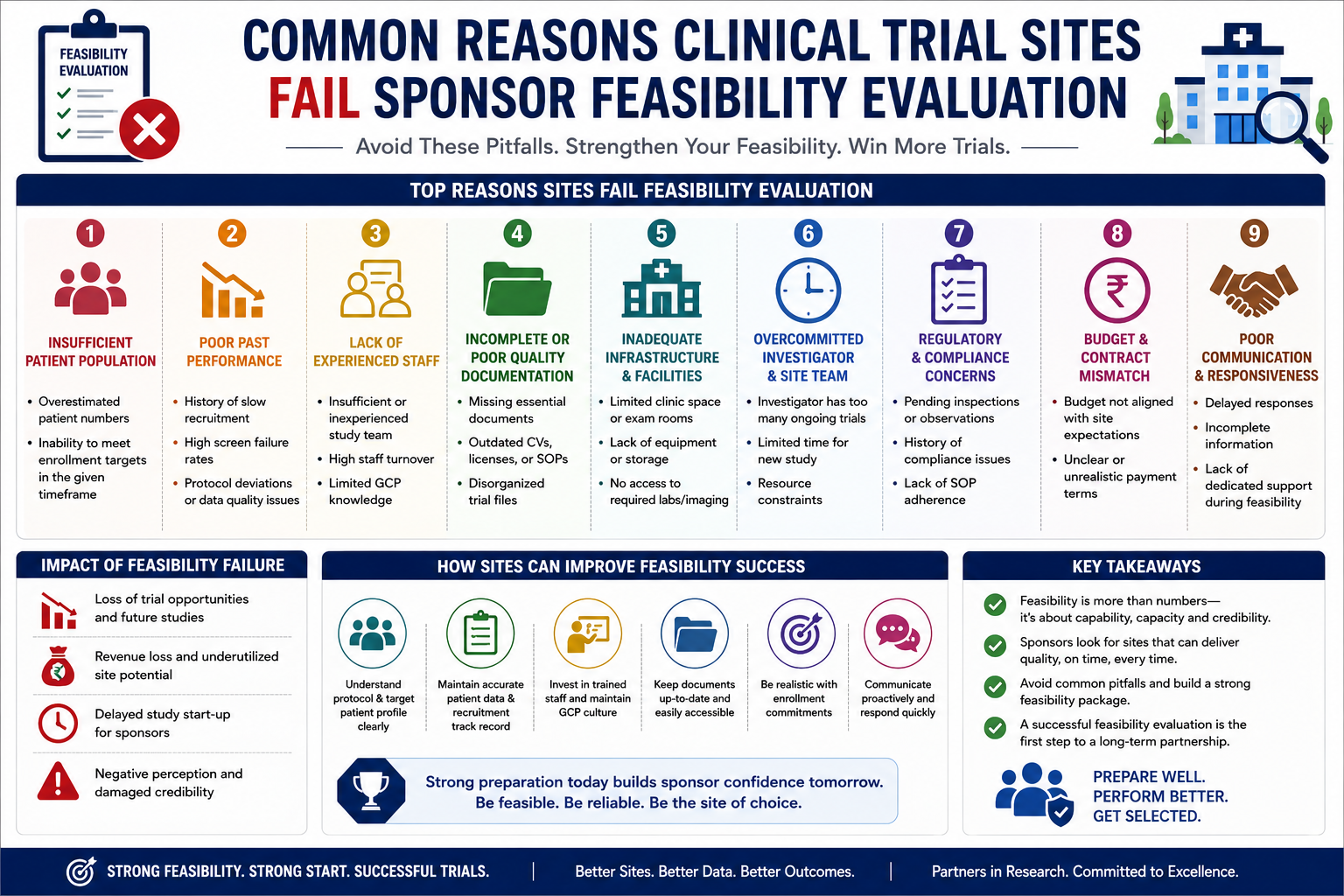
Despite India’s strong clinical trial infrastructure, patient recruitment remains a persistent challenge due to operational inefficiencies, site variability, and systemic constraints. One of the most significant pain points is the issue of site readiness. A 2023 report from a leading CRO revealed that nearly 38% of sites across India struggle with recruitment due to inadequate screening processes, incomplete databases, and limited awareness of trial eligibility criteria. This often results in missed enrollment windows, leading to delays in study timelines and increased costs.
Another major challenge is the inconsistency in data quality. Inconsistent documentation, poor data capture, and lack of standardized processes across centers can compromise data integrity. For instance, a cross-sectional analysis of site performance in 2022 found that 25% of sites exhibited gaps in source documentation, which directly affects regulatory compliance and audit readiness. Furthermore, participant retention is a critical concern, with around 28% of enrolled patients failing to complete study visits or discontinuing participation due to logistical or motivational barriers.
One of the most underappreciated yet impactful challenges is the variability in site performance. While some sites consistently meet enrollment targets, others suffer from recruitment bottlenecks due to infrastructure limitations, staff turnover, or inefficiencies in coordination with principal investigators. In a 2024 feasibility assessment, 15% of sites evaluated were found to be underperforming due to a lack of streamlined communication and training. In the next section, we will explore actionable strategies to address these issues effectively.
Strategies for Overcoming Recruitment Challenges in India
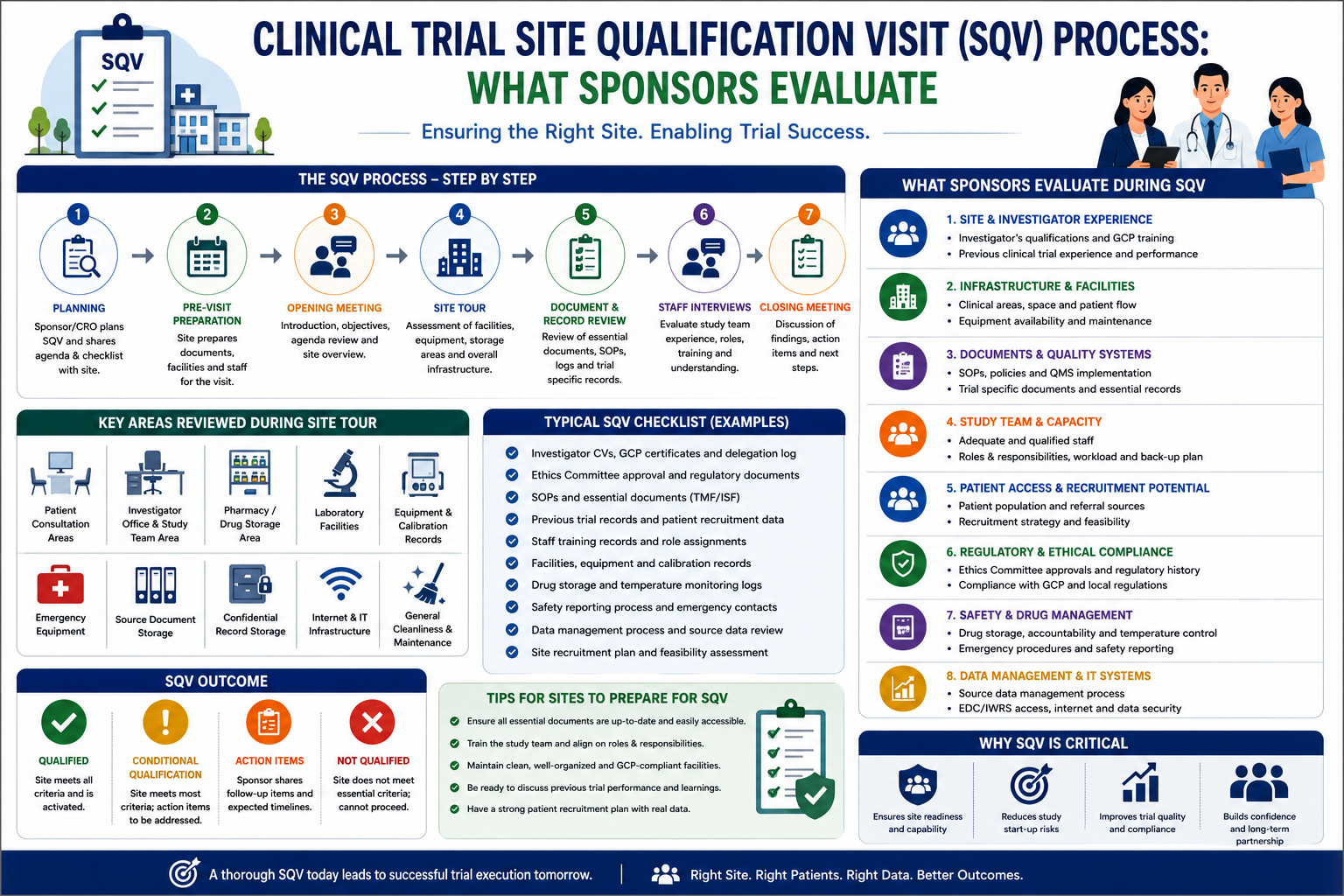
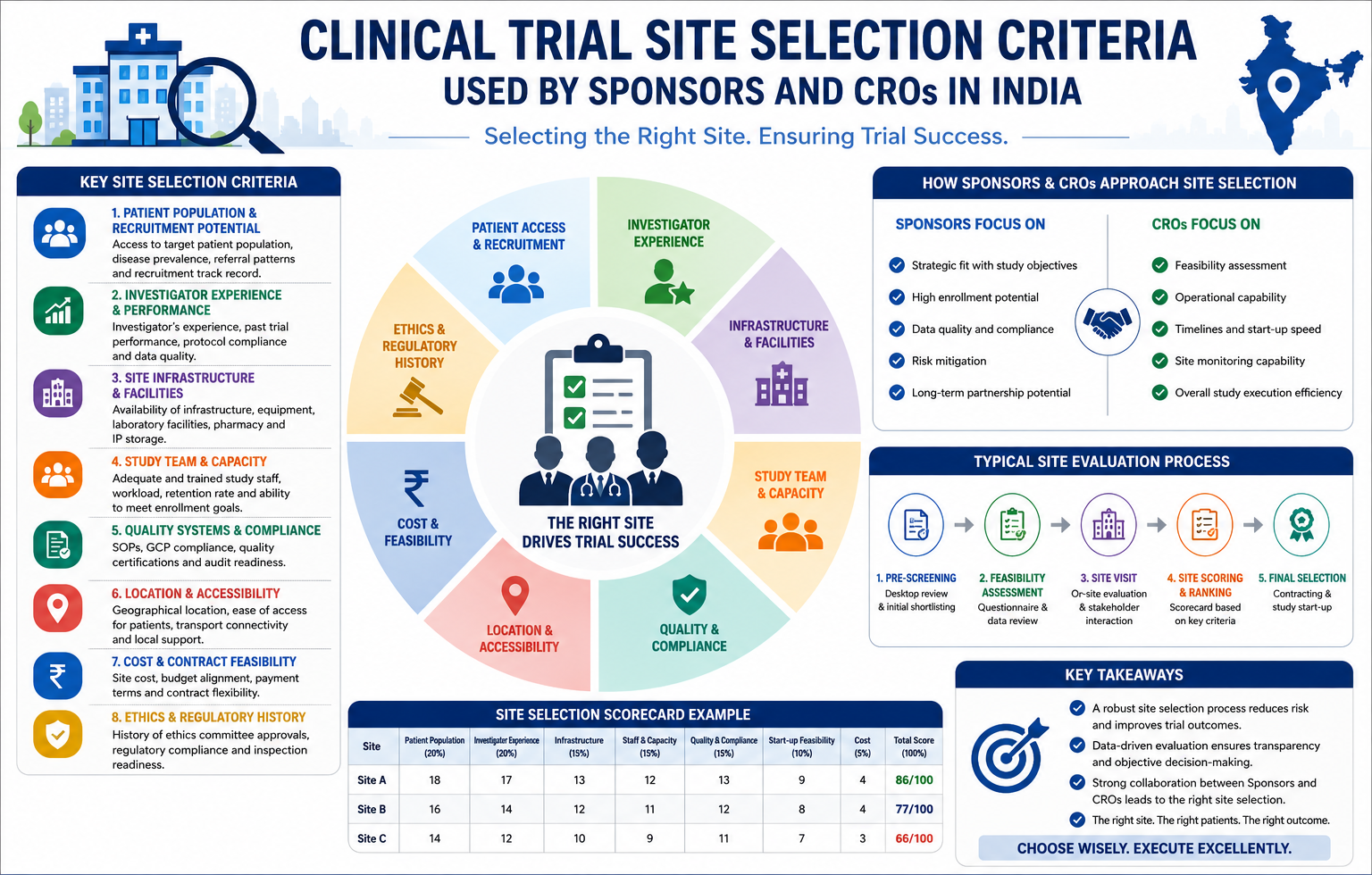
To address the operational pain points in patient recruitment, sponsors must adopt a structured, data-driven approach that prioritizes site readiness, standardized processes, and continuous monitoring. One effective strategy is the implementation of proactive feasibility assessments, which allow sponsors to identify high-performing sites based on enrollment history, patient demographics, and investigator experience. According to an internal review by a leading CRO, sites with documented recruitment success in the past three years were 40% more likely to meet enrollment targets, reducing startup timelines by an average of 20%.
Standardizing data collection and documentation practices is another critical step in ensuring data quality. By implementing centralized training programs for site staff on electronic data capture (EDC) systems and Good Clinical Practice (GCP) guidelines, sponsors can reduce data discrepancies. A 2023 audit of sites with trained personnel revealed an 83% improvement in documentation compliance compared to untrained sites.
To enhance site performance, a hybrid recruitment model—combining local investigator engagement with centralized screening support—can help bridge gaps in patient identification and follow-up. Additionally, integrating digital tools such as SMS reminders and mobile data collection platforms improves patient retention. A 2024 study found that sites using digital follow-up tools reported a 30% faster identification of potential candidates and a 22% increase in retention rates. In the next section, we will explore how Oxygen Clinical Research and Services plays a pivotal role in executing these strategies effectively.
Oxygen Clinical Research and Services: A partner in recruitment excellence
Oxygen Clinical Research and Services has established itself as a key player in addressing the complex landscape of clinical trial recruitment in India through its strategic implementation of hybrid models and innovative digital tools. Leveraging a comprehensive understanding of local challenges, Oxygen has created a scalable framework that streamlines patient identification and follow-up processes. By integrating digital follow-up tools, such as SMS reminders and mobile data collection platforms, Oxygen significantly enhances patient retention rates. For instance, the organization reported a 30% improvement in the speed of candidate identification and a 22% boost in retention, directly attributing these outcomes to their digital strategies.
Furthermore, Oxygen has adopted a hybrid recruitment model that combines the strengths of local investigator engagement with centralized screening support. This approach allows for more targeted and efficient patient recruitment, enabling the organization to meet enrollment targets consistently. Through its proactive feasibility assessments, Oxygen identifies high-performing sites, resulting in a 40% increase in successful site selection and reducing startup timelines by 20%. Their commitment to training and upskilling site staff has led to an 83% improvement in documentation compliance, reinforcing data quality and regulatory compliance.
By effectively addressing the systemic recruitment challenges, Oxygen Clinical Research and Services not only enhances performance metrics but also contributes to the successful execution of clinical trials in India, ultimately facilitating better health outcomes for patients.
Case Studies: Transforming Recruitment Challenges into Operational Excellence
Oxygen Clinical Research and Services has demonstrated its ability to overcome recruitment bottlenecks through strategic implementation of hybrid and digital tools, as evidenced by recent case studies. In a phase III clinical trial for a novel respiratory therapy, the study initially faced recruitment delays due to site hesitation in reaching out to potential patients. Oxygen intervened by deploying a targeted hybrid recruitment model that combined local investigator engagement with a centralized screening team. This approach not only improved communication between investigators and potential participants but also increased site motivation through performance incentives. As a result, the trial achieved its enrollment target two months ahead of schedule, significantly reducing timeline extensions that typically accompany recruitment challenges.
Similarly, in a post-marketing study for a cardiovascular drug, Oxygen addressed high participant attrition by implementing a digital follow-up system that included SMS scheduling and electronic consents. This initiative improved follow-up rates by 30% and reduced incomplete data entry by 45%, ensuring higher data integrity. Another study focused on patient retention through a centralized call center that managed pre-scheduled reminders and logistics assistance. This resulted in an 18% increase in attendance rates for follow-up visits and a 28% faster data update cycle. These examples underscore Oxygen’s ability to turn recruitment challenges into structured, scalable solutions, reinforcing its role as a critical partner in clinical trial execution in India.
Practical Checklist for Sponsors: Optimizing Patient Recruitment in India
To improve patient recruitment and ensure compliance in India, sponsors must adopt a structured, proactive approach that addresses common operational inefficiencies. The following checklist provides actionable steps to enhance recruitment outcomes, streamline site performance, and maintain compliance with regulatory guidelines.
- Conduct Proactive Feasibility Reviews (40–60 days prior to site activation):
- Evaluate site enrollment history, patient demographics, and investigator experience.
- Review previous trial performance to identify high-performing sites.
- Develop a Hybrid Recruitment Strategy (30–45 days before site activation):
- Combine local investigator engagement with centralized screening teams.
- Leverage digital recruitment platforms for targeted outreach.
- Implement Site Training Programs (20–30 days prior to activation):
- Provide standardized training on electronic data capture (EDC) systems.
- Reinforce Good Clinical Practice (GCP) guidelines and documentation protocols.
- Establish Real-Time Data Monitoring (Ongoing):
- Utilize digital follow-up tools such as SMS and mobile data collection.
- Monitor enrollment metrics and adjust recruitment strategies accordingly.
- Introduce Site Incentives and Support (Ongoing):
- Offer financial or non-monetary incentives to boost site motivation.
- Provide dedicated support staff to address site-specific challenges.
- Optimize Post-Enrollment Processes (6–12 months):
- Develop workflows for retention and follow-up.
- Ensure clear communication channels between sites and CROs.
By following this structured approach, sponsors can significantly reduce recruitment delays, improve data quality, and enhance overall study performance in one of the world’s most dynamic clinical trial markets.
Conclusion: The Strategic Value of Oxygen Clinical Research and Services in Overcoming Recruitment Challenges
In the dynamic and complex landscape of clinical trials in India, the ability to navigate recruitment challenges is essential for success. Oxygen Clinical Research and Services has solidified its position as a vital partner in this endeavor, demonstrating its commitment to overcoming the multifaceted issues that often impede patient recruitment Patient Recruitment India Importance.
Through a blend of innovative strategies, proactive feasibility assessments, and the adoption of digital tools, Oxygen has not only addressed these challenges but also transformed them into opportunities for improved performance Patient Recruitment India Importance.
The strategic implementation of hybrid recruitment models has allowed Oxygen to tap into the strengths of local investigators while benefiting from centralized screening, resulting in enhanced site readiness and faster enrollment. Their focused training programs have significantly improved data quality and compliance, which are critical for maintaining regulatory standards. Moreover, Oxygen’s ability to adapt and implement tailored solutions has underscored the importance of a capable execution partner in the clinical trial process.
Looking ahead, the role of Oxygen Clinical Research and Services will become increasingly vital as the global demand for clinical trials continues to surge. Their expertise in navigating the intricacies of the Indian clinical landscape positions them as a key stakeholder in the future of clinical research.
For sponsors seeking to enhance their trial outcomes, partnering with Oxygen Clinical Research and Services represents a strategic investment in overcoming recruitment challenges and achieving successful clinical trial execution. By leveraging their expertise, sponsors can not only streamline their operations but also contribute to the broader goal of advancing healthcare outcomes through efficient, compliant clinical research Patient Recruitment India Importance. for more click here